

As we age, maintaining optimal health becomes even more crucial, and one important aspect of that health is managing blood pressure. Blood pressure for seniors is a key indicator of overall well-being and a critical factor in preventing serious health conditions.
Whether you’re concerned about normal blood pressure for seniors, the risks of high blood pressure, or tips for managing hypertension, this guide will help you understand blood pressure levels, the importance of monitoring them, and how to maintain a healthy lifestyle.
What Is Blood Pressure (BP)?
Blood pressure (BP) refers to the force of the blood against the walls of your arteries as your heart pumps it through your circulatory system. It’s an essential indicator of cardiovascular health and provides insights into the state of your arteries and heart function.
Blood pressure is measured using two key numbers:
- Systolic Pressure (the higher number):
This measures the pressure in your arteries when your heart beats, pumping blood out. It’s the maximum pressure your blood vessels experience when your heart is actively working. A higher systolic pressure can indicate that your heart is working harder than usual to push blood through your arteries, which could be a sign of hypertension. - Diastolic Pressure (the lower number):
This measures the pressure in your arteries when your heart is at rest, between beats. During this time, the heart is refilling with blood, and there is less pressure in the arteries. Diastolic pressure provides insight into the health and flexibility of the arteries.
Both these numbers are measured in mmHg (millimeters of mercury), a unit used in measuring blood pressure. When reading blood pressure, the systolic pressure is always listed first, followed by the diastolic pressure. For example, a normal blood pressure reading might be 120/80 mmHg, where 120 is the systolic and 80 is the diastolic.
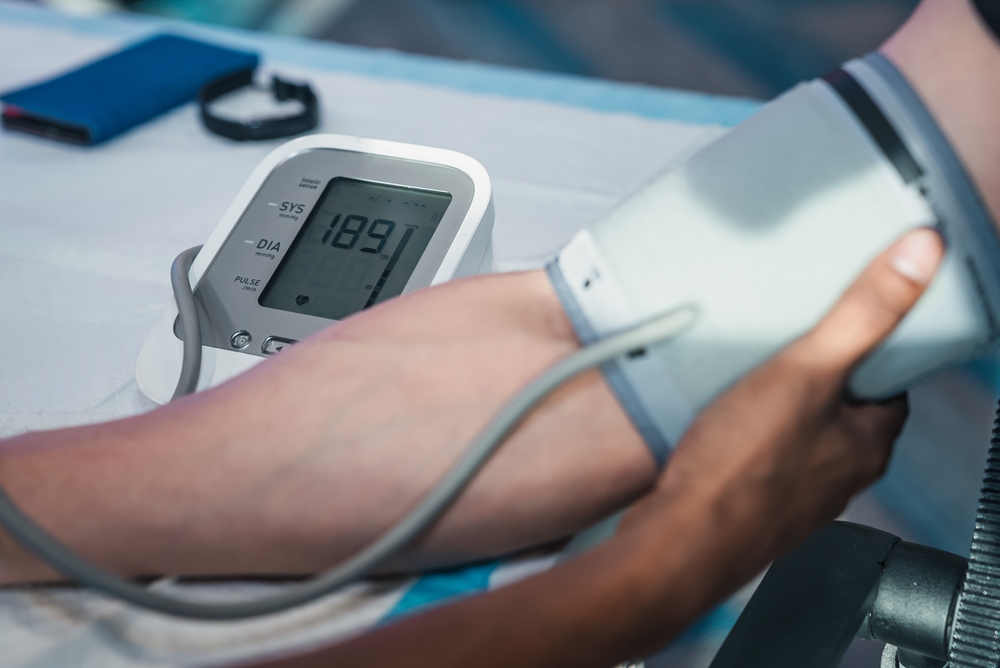
Understanding Blood Pressure Numbers
The two numbers together tell you how well your heart and arteries are functioning. Systolic pressure reflects the force when the heart is working, while diastolic pressure indicates the pressure during rest. Blood pressure readings can indicate different levels of health:
- Normal blood pressure: Generally defined as a reading lower than 120/80 mmHg.
- Elevated blood pressure: Systolic between 120-129 and diastolic less than 80. While this isn’t yet considered hypertension, it’s a warning sign to watch your blood pressure.
- Hypertension: Stages 1 and 2 refer to higher levels of blood pressure, which can lead to serious health risks if left unmanaged.
Importance of Blood Pressure Monitoring
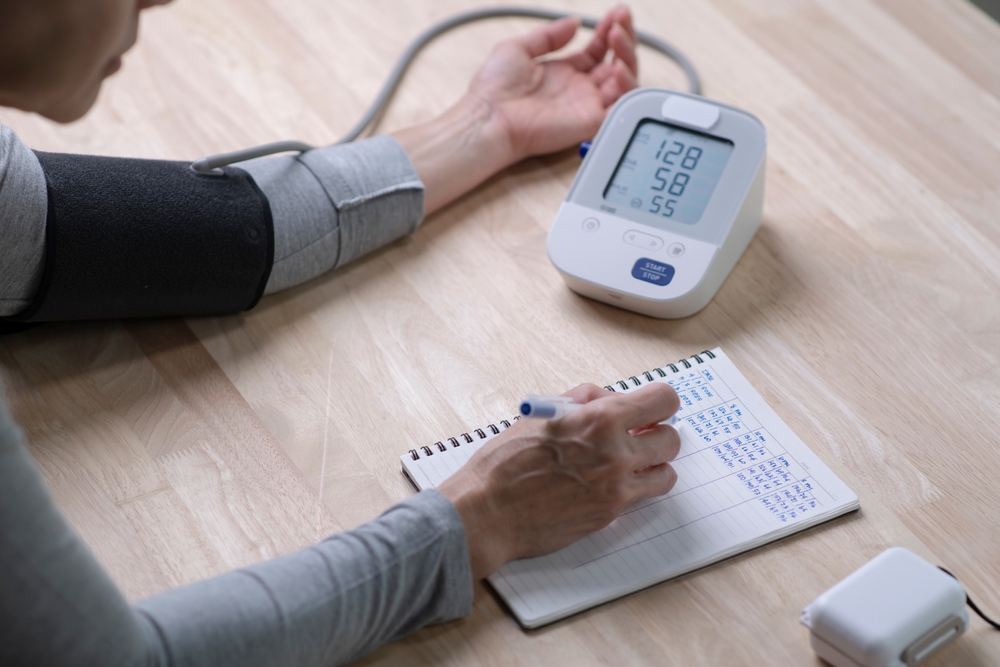
Understanding your blood pressure levels is essential to gauge your cardiovascular health. Especially for seniors, regular monitoring is crucial to ensure blood pressure stays within a healthy range and to reduce the risk of serious health problems such as heart disease, stroke, and kidney damage.
Average Blood Pressure for Seniors
The average blood pressure for seniors can vary depending on age, overall health, and lifestyle factors. However, studies suggest that systolic pressure tends to rise with age due to changes in the elasticity of blood vessels.
For many seniors, an average blood pressure of 130/80 mmHg is common. That said, maintaining blood pressure under 140/90 mmHg is considered a healthy goal for seniors, reducing the risk of heart disease and stroke.
Blood Pressure Chart for Seniors
To better understand what the readings mean for seniors, it’s helpful to refer to a blood pressure chart for seniors. Here’s a general guideline:
- Normal: Below 120/80 mmHg
- Elevated: Systolic between 120-129 and diastolic less than 80
- Hypertension Stage 1: Systolic between 130-139 or diastolic between 80-89
- Hypertension Stage 2: Systolic at least 140 or diastolic at least 90
- Hypertensive Crisis: Systolic above 180 and/or diastolic above 120 (requires immediate medical attention)
These readings help determine the blood pressure levels for seniors and are essential in guiding appropriate care and treatment options.
Ideal Blood Pressure for Seniors
The ideal blood pressure for seniors is generally under 120/80 mmHg, but it’s important to recognize that factors such as age, health conditions, and lifestyle can influence this number.
For many older adults, especially those over 65, slightly higher systolic readings (e.g., 130-139 mmHg) may be acceptable as long as the diastolic pressure is under 90 mmHg.
Always consult with a healthcare provider to determine the best blood pressure target for each individual.

What Causes High Blood Pressure in Older Adults?
High blood pressure for seniors (also known as hypertension) is often caused by several factors:
- Aging: As we age, the arteries naturally become stiffer and less elastic, which can lead to higher systolic blood pressure.
- Genetics: Family history plays a significant role. If high blood pressure runs in the family, seniors are more likely to develop it.
- Unhealthy Lifestyle: Poor diet (high in salt and low in potassium), lack of exercise, excessive alcohol consumption, and smoking all increase the risk of hypertension.
- Other Health Conditions: Conditions like kidney disease, diabetes, and sleep apnea can contribute to high blood pressure in older adults.
- Medications: Certain medications, including decongestants and birth control pills, can elevate blood pressure.
Risks of High Blood Pressure for Seniors
Hypertension, if left untreated, can lead to serious and life-threatening health issues. These include:
- Heart Disease: High blood pressure forces the heart to work harder, leading to an increased risk of coronary artery disease, heart failure, and heart attacks.
- Stroke: The constant strain from high blood pressure can damage blood vessels in the brain, increasing the likelihood of a stroke.
- Kidney Damage: Hypertension can cause damage to the blood vessels in the kidneys, leading to kidney disease or even kidney failure.
- Vision Loss: The damage that hypertension causes to blood vessels can extend to the eyes, resulting in vision impairment or blindness.
- Cognitive Decline: Chronic hypertension has been linked to a higher risk of cognitive issues, such as dementia or memory loss.
Managing hypertension is essential in preventing these severe complications and promoting a better quality of life as we age.
Signs of High Blood Pressure in Seniors
Many seniors with high blood pressure may not experience noticeable symptoms. That’s why it’s often called a “silent” condition. However, there are a few signs to watch for:
- Headaches: Persistent or severe headaches, especially in the mornings.
- Dizziness or fainting: Low blood pressure or fluctuating blood pressure may cause dizziness.
- Shortness of breath: Difficulty breathing or feeling winded.
- Blurred vision: Changes in vision can be a sign of hypertension affecting the eyes.
Tips for Managing Blood Pressure in Older Adults
1. Regular Monitoring
Monitoring blood pressure for older adults is crucial. Make sure to check your blood pressure regularly and track any changes. At-home blood pressure monitors are widely available and can provide peace of mind.
2. Healthy Diet
Eating a balanced diet plays a significant role in managing high blood pressure. Here are some dietary tips for seniors:
- Reduce salt intake: Too much salt can cause the body to retain water, leading to increased blood pressure.
- Increase potassium: Foods rich in potassium, like bananas, sweet potatoes, and spinach, help balance the effects of sodium.
- Limit alcohol and caffeine: These can elevate blood pressure in sensitive individuals.
3. Regular Physical Activity
Exercise is a powerful tool for managing blood pressure levels for seniors. Moderate physical activities such as walking, swimming, and cycling can help lower blood pressure and strengthen the heart. Aim for at least 30 minutes of moderate activity on most days.
4. Maintain a Healthy Weight
Excess weight can contribute to higher blood pressure. Maintaining a healthy weight through a balanced diet and regular exercise can help manage hypertension.
5. Stress Management
Chronic stress can raise blood pressure. Engaging in relaxation techniques such as meditation, deep breathing exercises, or yoga can help seniors manage stress and improve heart health.
6. Medication Adherence
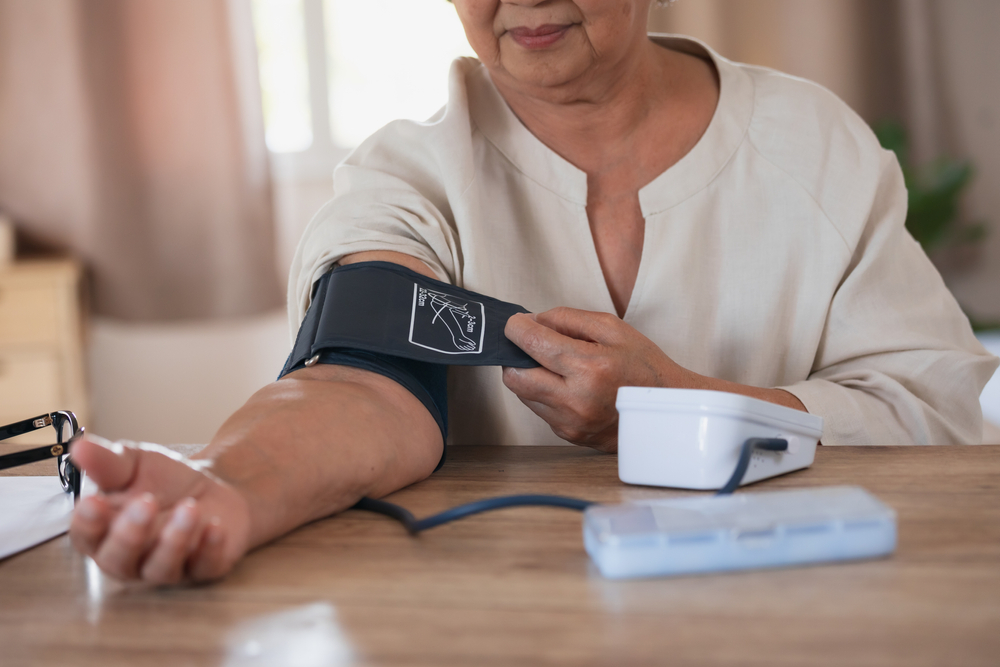
If prescribed, it’s crucial for seniors to take blood pressure medications as directed by their healthcare provider. Medications may include diuretics, ACE inhibitors, or calcium channel blockers, among others.
Common Medications for Hypertension and Blood Pressure
Managing high blood pressure for seniors often requires medication alongside lifestyle changes. Common medications prescribed for hypertension include:
- Diuretics (Water Pills): These help reduce the amount of fluid in the body, lowering blood pressure.
- ACE Inhibitors: These help relax blood vessels by blocking the formation of a hormone that causes them to narrow.
- Calcium Channel Blockers: These prevent calcium from entering heart and artery cells, allowing them to relax and reducing blood pressure.
- Beta-Blockers: These lower the heart rate and reduce the force of the heart’s contractions, helping reduce blood pressure.
- Angiotensin II Receptor Blockers (ARBs): These work similarly to ACE inhibitors, relaxing blood vessels to lower blood pressure.
- Alpha Blockers: These help relax certain muscles and help small blood vessels remain open.
At Senior Life Pharmacy, we understand the importance of ensuring that you take your medications correctly and consistently. We carefully pre-sort and package your medication specifically for the time and day it’s supposed to be taken.
Our monthly delivery service ensures that your prescription is delivered directly to your door, free of cost. Whether you need hypertension medications or other prescriptions, we make it easy to stay on track with your health regimen.
How Senior Life Pharmacy Supports Seniors in Managing Blood Pressure
Managing blood pressure for seniors is essential to leading a healthy and active life. By understanding the normal blood pressure ranges, recognizing the risks of hypertension, and making lifestyle changes, seniors can effectively manage their health.
With the support of healthcare professionals and pharmacies like Senior Life Pharmacy, older adults can confidently navigate their blood pressure journey and enjoy a fulfilling, healthy life.

Frequently Asked Questions
1. What is considered low blood pressure for seniors?
Low blood pressure, or hypotension, is typically defined as a reading below 90/60 mmHg. While it may not be as dangerous as high blood pressure, it can still cause symptoms like dizziness or fainting.
2. What is normal blood pressure for seniors?
For most seniors, normal blood pressure is less than 120/80 mmHg. However, some variations may occur depending on individual health conditions.
3. What is considered high blood pressure for an 80-year-old?
For an 80-year-old, high blood pressure is generally considered a reading above 130/80 mmHg. However, it’s important to consult a healthcare provider for individual recommendations.
4. What is normal blood pressure for a 70-year-old?
The normal blood pressure range for a 70-year-old is similar to that of younger adults: less than 120/80 mmHg, but some seniors may have higher systolic readings due to aging.
5. What causes high blood pressure in older adults?
High blood pressure in older adults is often caused by stiffening arteries, unhealthy lifestyle habits, genetics, or underlying health conditions such as kidney disease.
6. What causes hypertension in older adults?
Hypertension in seniors is often due to factors like aging, poor diet, lack of physical activity, or a family history of high blood pressure.
7. Does blood pressure increase with age?
Yes, blood pressure tends to increase with age due to the natural stiffening of arteries and changes in the cardiovascular system.