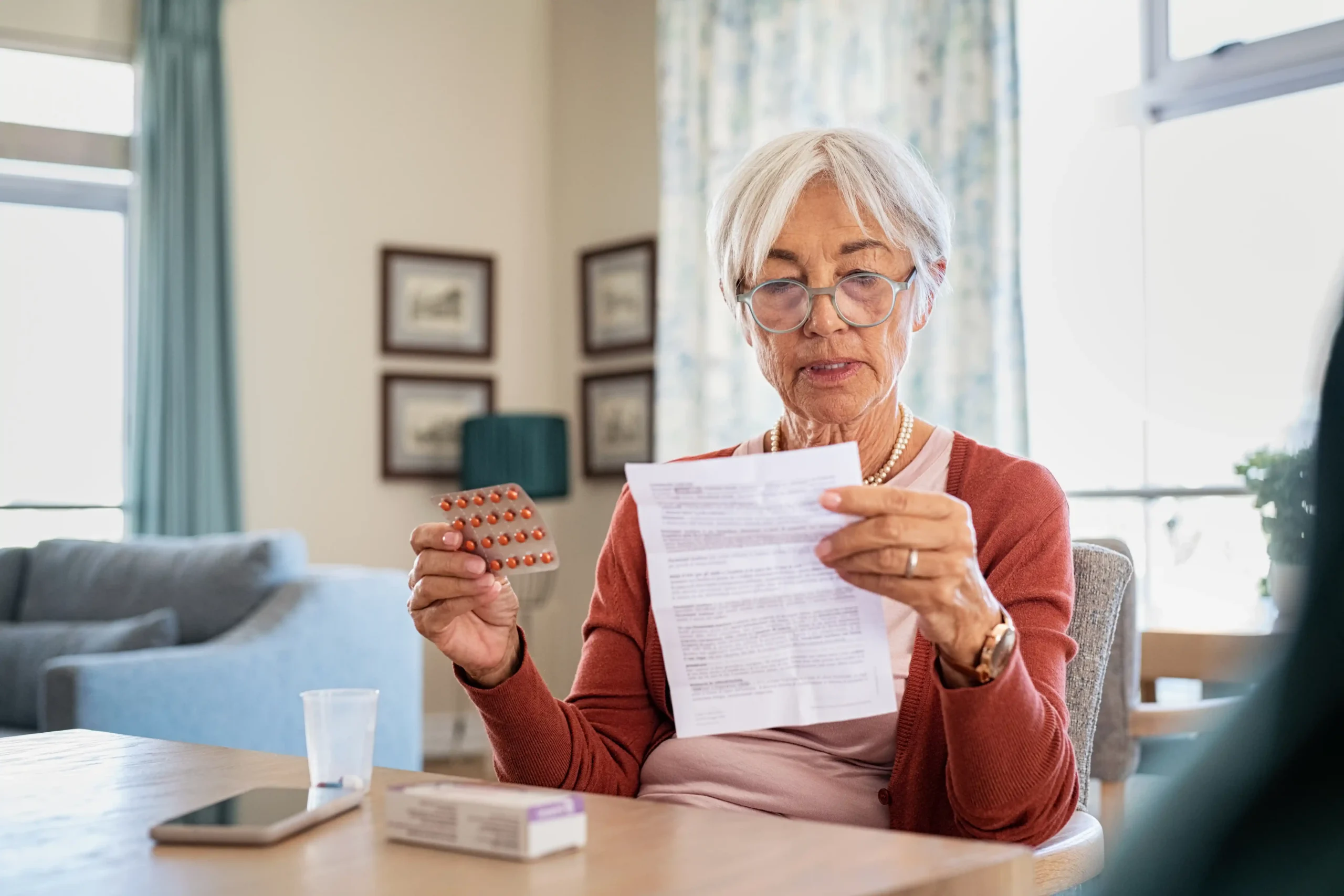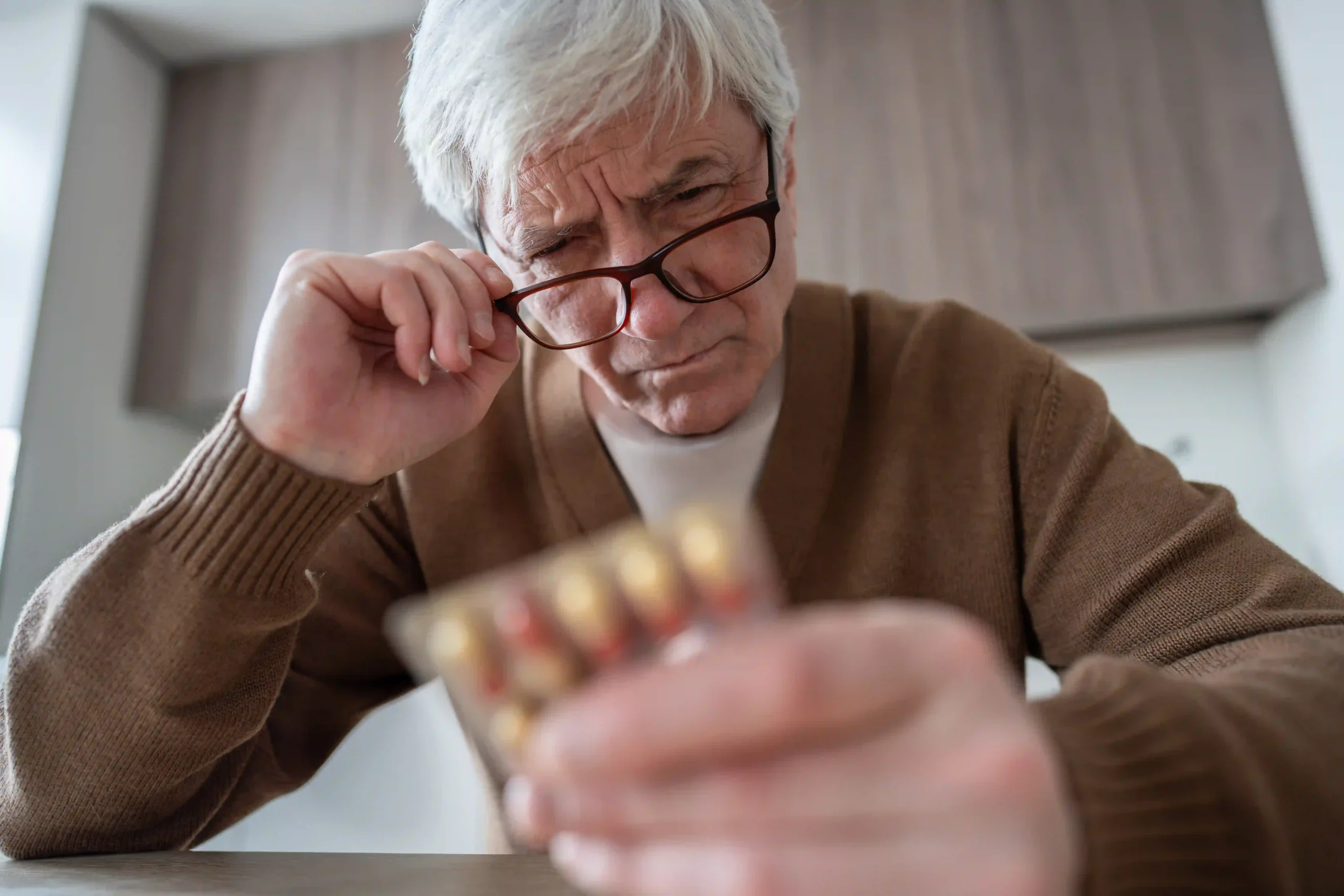

Flecainide is a prescription medicine used to help control certain abnormal heart rhythms. It is commonly taken on a regular schedule, sometimes every 12 hours, depending on the condition and the dose prescribed. Because this medication works directly on the electrical activity of the heart, taking it consistently is important.
But missing a dose can happen. You may forget a tablet, take it later than usual, or simply realize at the end of the day that you missed it. The first question is usually whether missing flecainide can cause side effects.
Missing one dose does not usually cause withdrawal symptoms. The bigger concern is that the heart rhythm the medicine was prescribed to control may no longer be suppressed as effectively. This can allow an abnormal rhythm to return in some people.
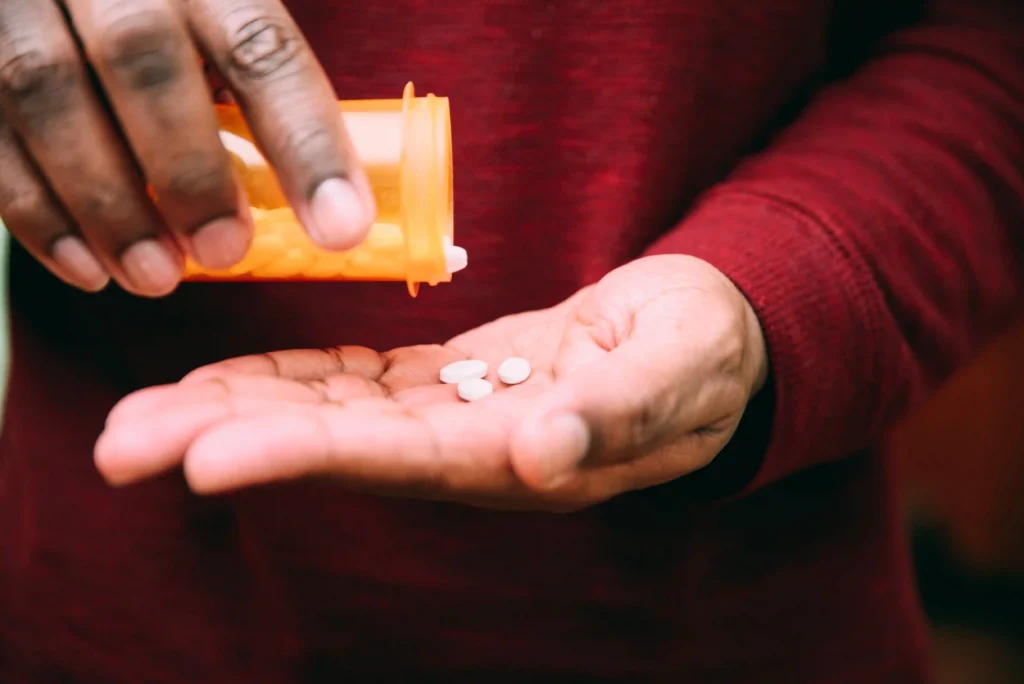
What is Flecainide?
Flecainide is an antiarrhythmic medication. It works by slowing certain electrical signals in the heart, helping stabilize the heart’s rhythm. It may be prescribed for conditions such as paroxysmal atrial fibrillation, atrial flutter, and certain supraventricular tachycardias. In specific circumstances, it is also used for serious ventricular arrhythmias.
The medicine is generally taken at regular intervals to maintain an appropriate amount of the drug in the body. The medication has a relatively long half-life, reported at about 12 to 27 hours in patients receiving usual doses.
Because the drug affects the heart’s electrical system, it should be taken exactly as prescribed. Your doctor may also monitor your heart rhythm and other factors while you are taking it.
What Happens If You Miss a Dose of Flecainide?
If you miss one dose, you may not notice anything unusual. However, because the medication is being used to control an abnormal heart rhythm, there is a possibility that your original arrhythmia could return or become noticeable.
The effect can vary from one person to another.
Someone taking the medication for occasional episodes of atrial fibrillation may notice palpitations after a missed dose. Another person may not experience any symptoms at all.
The important distinction is that the problem is usually not a withdrawal reaction from flecainide. Instead, the medication’s rhythm-controlling effect may become less consistent when a scheduled dose is missed.
Possible Effects of Missing Flecainide
The effects of a missed dose can depend heavily on the reason you were prescribed flecainide.
Possible problems include:
- Return of an irregular heartbeat
- Heart palpitations
- A faster or pounding heartbeat
- Dizziness or lightheadedness
- Weakness
- Shortness of breath
- Feeling faint
- Increased awareness of your heartbeat
These symptoms can also have causes unrelated to a missed dose, so they should not automatically be attributed to flecainide.
If you were prescribed the medicine to control a serious arrhythmia, the consequences of missing medication may be more important than they would be for someone with a less frequent rhythm problem.
Can Missing Flecainide Cause an Irregular Heartbeat?
It can allow the abnormal rhythm being treated to return.
The medication does not permanently correct every underlying heart rhythm problem. In many cases, it works by helping keep the rhythm controlled while the medication is active.
For example, someone taking flecainide to prevent episodes of paroxysmal atrial fibrillation may experience an episode after missing medication. That does not mean the missed tablet directly caused the arrhythmia, but the loss of consistent treatment may make recurrence more likely.
If you notice a new or persistent irregular heartbeat after missing a dose, contact your healthcare professional for advice, especially if the symptoms are different from what you normally experience.
Can Missing Flecainide Cause Palpitations?
Palpitations are one possible symptom if the arrhythmia returns.
You might feel your heart beating unusually fast, strongly, irregularly, or as though it is skipping beats.
Some people describe this as fluttering or pounding in the chest.
Whether palpitations occur after a missed dose depends on the type of arrhythmia, how often you normally experience it, and how your body responds when flecainide levels fall.
If your palpitations are severe, last longer than usual, or occur with chest pain, fainting, or difficulty breathing, seek urgent medical attention.
Can Missing One Dose of Flecainide Cause Withdrawal Symptoms?
Flecainide is not generally associated with a typical withdrawal syndrome.
A person who misses one dose is not normally expected to experience symptoms such as withdrawal-related nausea, sweating, shaking, or anxiety simply because the medication was missed.
However, stopping flecainide can mean that the heart rhythm is no longer being controlled as intended. Patient information advises against stopping the medication without discussing it with a doctor.
That distinction is important. Feeling symptoms after stopping or missing flecainide may reflect the return of the underlying rhythm problem rather than withdrawal from the medicine.
What Should You Do If You Miss a Dose of Flecainide?
The general guidance is straightforward.
If you remember the missed dose and it is not close to the time of your next dose, take it when you remember. If it is almost time for the next dose, skip the missed tablet and continue with your normal schedule. Do not take two doses together to make up for the missed one.
Because this is an antiarrhythmic medicine, it is especially important not to experiment with the timing or amount of your doses.
If you are uncertain whether enough time has passed to take the missed dose, review how to handle missed doses safely or ask your pharmacist or prescribing doctor.
What If You Miss Several Flecainide Doses?
Missing several doses is different from forgetting one tablet.
The more doses you miss, the longer the interruption in treatment becomes. Depending on why you take flecainide, your original heart rhythm problem may have a greater opportunity to return.
You should not take several tablets at once to compensate.
If you have missed multiple doses, contact your doctor or pharmacist and ask how to resume your regular schedule. This is particularly important if you take flecainide for a serious or potentially dangerous arrhythmia.
Can Missing Flecainide Cause Chest Pain?
Chest pain is not a typical “withdrawal symptom” from missing a dose.
However, chest pain occurring alongside an abnormal heartbeat can be a warning sign that needs medical assessment.
Do not assume that chest discomfort is simply because you forgot your medication. Chest pain, particularly when severe or accompanied by shortness of breath, fainting, sweating, or weakness, warrants prompt medical attention.
The official patient information for flecainide lists chest pain, changes in heartbeat, breathlessness, and fainting among symptoms that require medical attention.
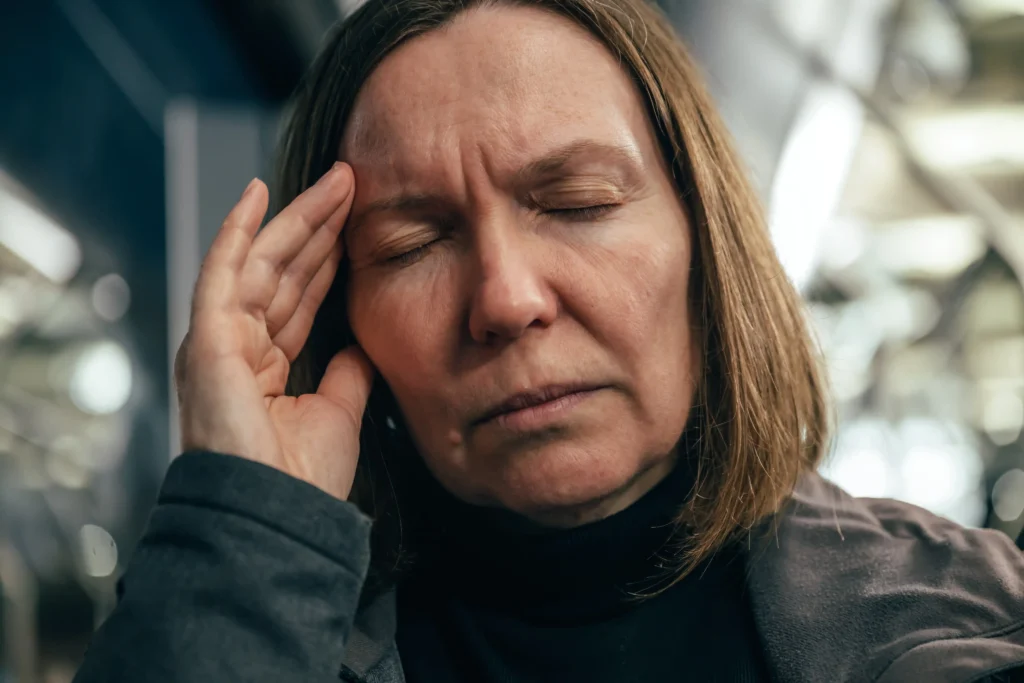
Can Missing Flecainide Cause Dizziness?
Dizziness can occur if your heart rhythm becomes abnormal, although dizziness can have many other causes.
If you feel dizzy after missing a dose, sit or lie down until you feel steady and avoid driving or operating machinery if you are lightheaded.
If dizziness is severe, repeatedly occurs, or happens with fainting, chest pain, or a very fast or irregular heartbeat, seek medical advice promptly.
Is It Dangerous to Stop Flecainide Suddenly?
You should not stop flecainide without talking to your doctor.
Although sudden discontinuation does not generally produce withdrawal symptoms, the arrhythmia that the medicine was controlling may no longer be controlled.
For some patients, that may mean the return of uncomfortable symptoms. For others, particularly those taking flecainide for serious rhythm disturbances, the situation can be more concerning.
If you are experiencing side effects and want to stop taking flecainide, speak with your healthcare professional. They can determine the safest way to manage your treatment.
Why Is Taking Flecainide Consistently Important?
The medication is prescribed at a specific dose and interval for a reason.
The amount of medicine in your system needs to remain within an appropriate range to provide the desired effect. Taking doses too far apart may reduce its effectiveness, while taking extra doses can increase the amount of flecainide in the body.
This matters because flecainide can itself affect the heart’s electrical conduction. The medication has a relatively long half-life, and its elimination can be slower in certain circumstances.
For that reason, taking extra tablets after forgetting a dose is not a safe way to catch up.
What If You Frequently Forget Your Flecainide Doses?
If missing doses has become a regular occurrence, look at what is making the medication difficult to remember. Repeatedly forgetting doses can also contribute to common medication errors, so it is worth identifying a reminder system that works for you.
A few simple strategies may help:
- Set an alarm on your phone.
- Use a medication reminder app.
- Keep a written medication schedule.
- Use a pill organizer to help organize your medications if appropriate.
- Connect the dose with an established daily routine.
- Ask your pharmacist about ways to simplify your medication routine.
If you regularly miss doses despite trying these methods, tell your doctor. It may be worth reviewing your medication schedule or discussing whether there is a better way to manage it.
Can You Take Flecainide With Other Medicines?
Flecainide can interact with other medications, including some medicines that affect heart rhythm. For that reason, your doctor should know about prescription drugs, over-the-counter medicines, and supplements you are taking.
This is especially relevant if you have started a new medication around the same time you began missing doses.
Do not restart, increase, decrease, or combine medications based solely on information you find online. Your pharmacist can check for potential interactions and advise you about the safest schedule.
When Should You Get Urgent Medical Help?
Most importantly, know the symptoms that should not be ignored.
Seek urgent medical attention if you develop:
- Severe or persistent chest pain
- Fainting or loss of consciousness
- Severe shortness of breath
- A very fast, pounding, or markedly irregular heartbeat
- Severe dizziness
- New symptoms that feel significantly different from your usual arrhythmia episodes
Flecainide can cause changes in heart rhythm in some patients, so significant cardiac symptoms deserve prompt evaluation.
What If You Accidentally Take an Extra Dose of Flecainide?
Do not take an additional dose simply because you think you may have missed one.
If you accidentally take more flecainide than prescribed, contact your healthcare professional or seek urgent medical advice. An overdose can be serious because excessive flecainide can affect cardiac conduction and rhythm.
Do not wait for symptoms to appear before asking for advice if you know that you have taken substantially more than your prescribed amount.

How Can You Avoid Missing Flecainide?
Since the medication is often taken on a regular schedule, building it into your normal routine can help.
If you take it twice daily, for example, you might associate each dose with an established morning and evening routine, provided that timing fits your prescription.
Phone alarms are particularly useful if you have a busy schedule.
If you are unsure whether you have already taken a dose, do not automatically take another one. Check your medication organizer or written record, and contact a pharmacist or doctor if you cannot determine what to do.
Frequently Asked Questions About Flecainide
Can I drink alcohol after missing a dose of flecainide?
It is best to be cautious with alcohol because it can affect your heart rate and blood pressure. Follow your doctor’s advice, especially if you have an arrhythmia.
Does missing flecainide affect an ECG?
A missed dose may affect how your heart rhythm appears during an ECG if your underlying arrhythmia returns. Your doctor can interpret the results in context.
Can I exercise after missing a dose of flecainide?
If you feel well, normal activity may be possible, but avoid strenuous exercise if you develop palpitations, dizziness, chest discomfort, or unusual shortness of breath.
Can dehydration affect flecainide levels?
Yes. Dehydration can affect the body’s handling of medicines and may be more concerning when you have a heart rhythm condition. Stay adequately hydrated unless your doctor has advised fluid restriction.
Does grapefruit interact with flecainide?
Grapefruit is not generally listed as a major interaction with flecainide. However, tell your doctor about your usual diet and all medications you take.
Can a missed dose affect blood pressure?
Flecainide is not primarily used to control blood pressure. A change in blood pressure after a missed dose may have another cause and should not automatically be attributed to the missed tablet.
Can I take flecainide on an empty stomach?
Flecainide may generally be taken with or without food, but try to take it consistently in relation to meals. Follow the instructions given with your prescription.
Does flecainide need to be taken at exactly the same time every day?
Taking it at consistent intervals helps maintain the intended amount of medicine in your body. Follow the schedule prescribed by your healthcare professional.
Can kidney problems change how flecainide is handled?
Yes. Kidney function can affect how flecainide is cleared from the body. People with kidney problems may require closer monitoring or a dose adjustment.
Can older adults be more sensitive to flecainide?
Older adults may require closer monitoring because changes in kidney function and other age-related factors can affect how medicines are processed. The prescribed dose should not be changed without medical advice.
Conclusion
Missing a dose of flecainide usually does not cause a classic withdrawal reaction. The more important concern is that the heart rhythm the medicine was prescribed to control may become less well controlled.
You may notice palpitations, a fast or irregular heartbeat, dizziness, weakness, or shortness of breath if your arrhythmia returns, although not everyone will experience symptoms after a missed dose.
If you forget a tablet, take it when you remember unless it is almost time for your next dose. In that situation, skip the missed dose and return to your regular schedule. Never take a double dose to compensate.
If you have missed several doses, frequently forget flecainide, or want to stop taking it, speak with your doctor or pharmacist. And if you develop serious symptoms such as chest pain, fainting, severe breathlessness, or a significant change in your heartbeat, seek urgent medical attention.
The best approach is simple: take flecainide exactly as prescribed, avoid making up missed doses on your own, and ask a healthcare professional whenever you are uncertain about what to do.
Disclaimer – This article is intended for general educational purposes only and is not a substitute for medical advice, diagnosis, or treatment from a qualified healthcare professional.